
Follow one booking from discovery to the next visit.
An illustrative dinner for four, scene by scene: what happens today, what changes when Osoul connects each step, and what the research says about each mechanism.
Talk through your guest journey, workflows, and measurable signals.
An illustrative dinner for four
From Friday’s discovery to the next invitation
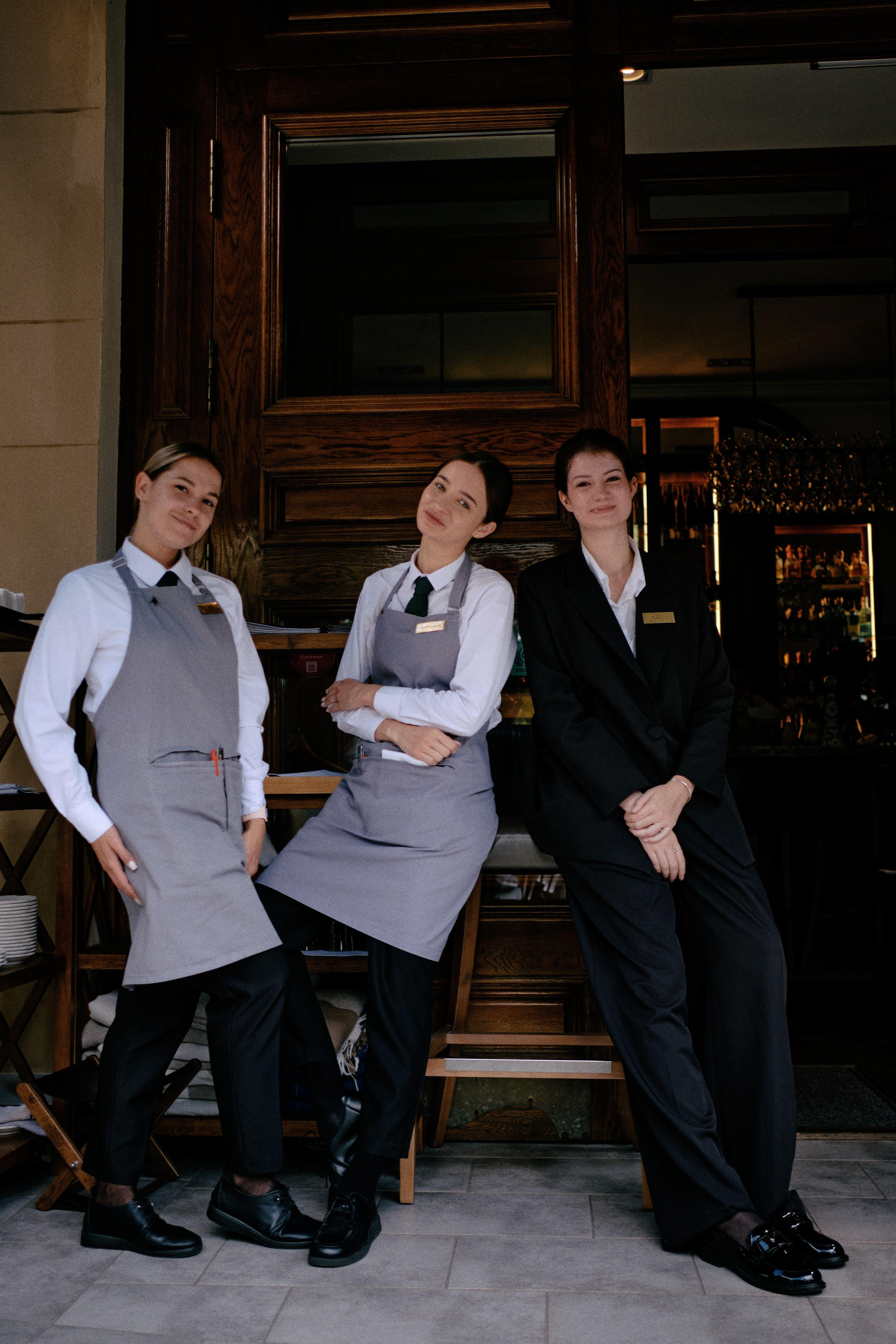
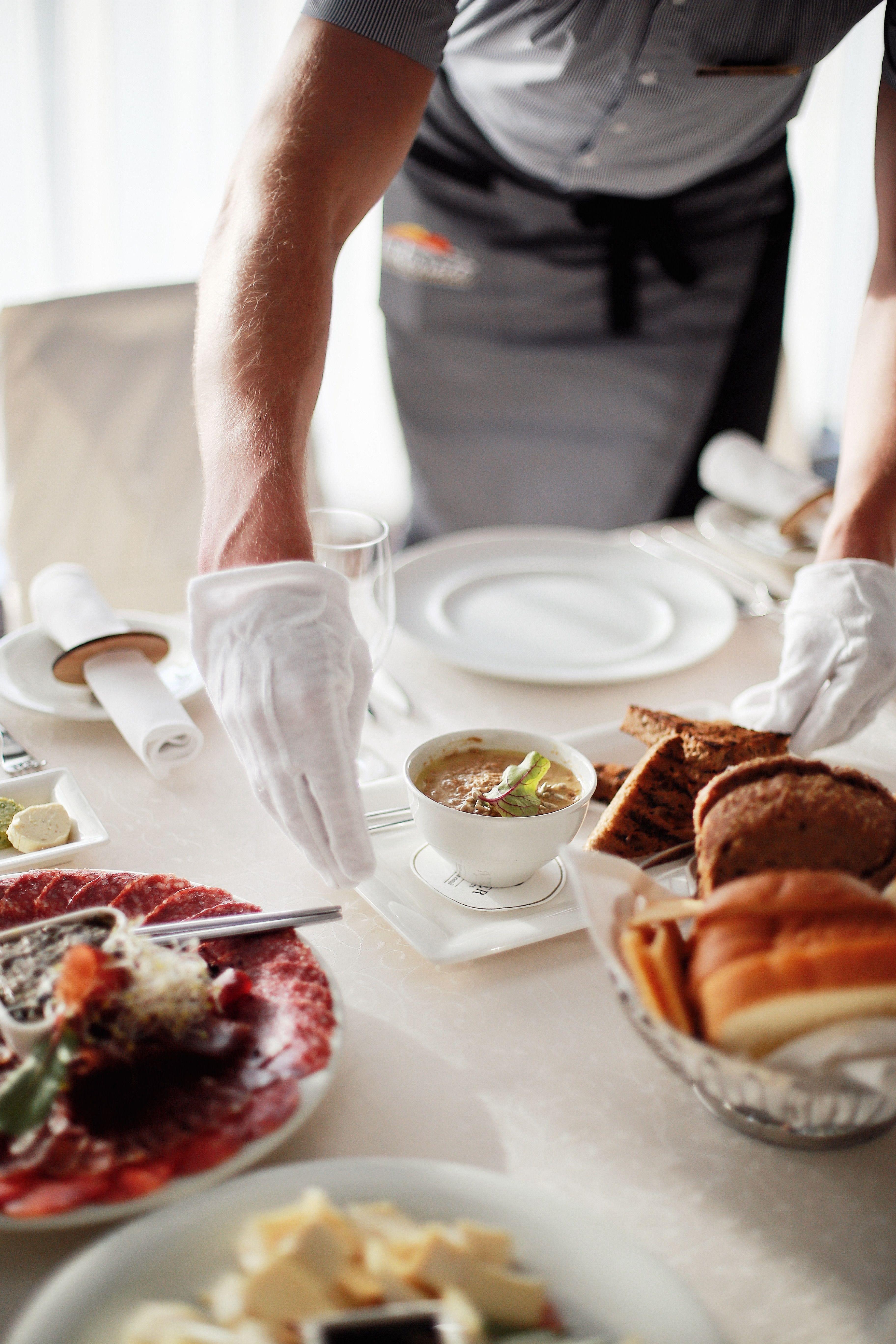
01 · Discover · Friday, 12:40
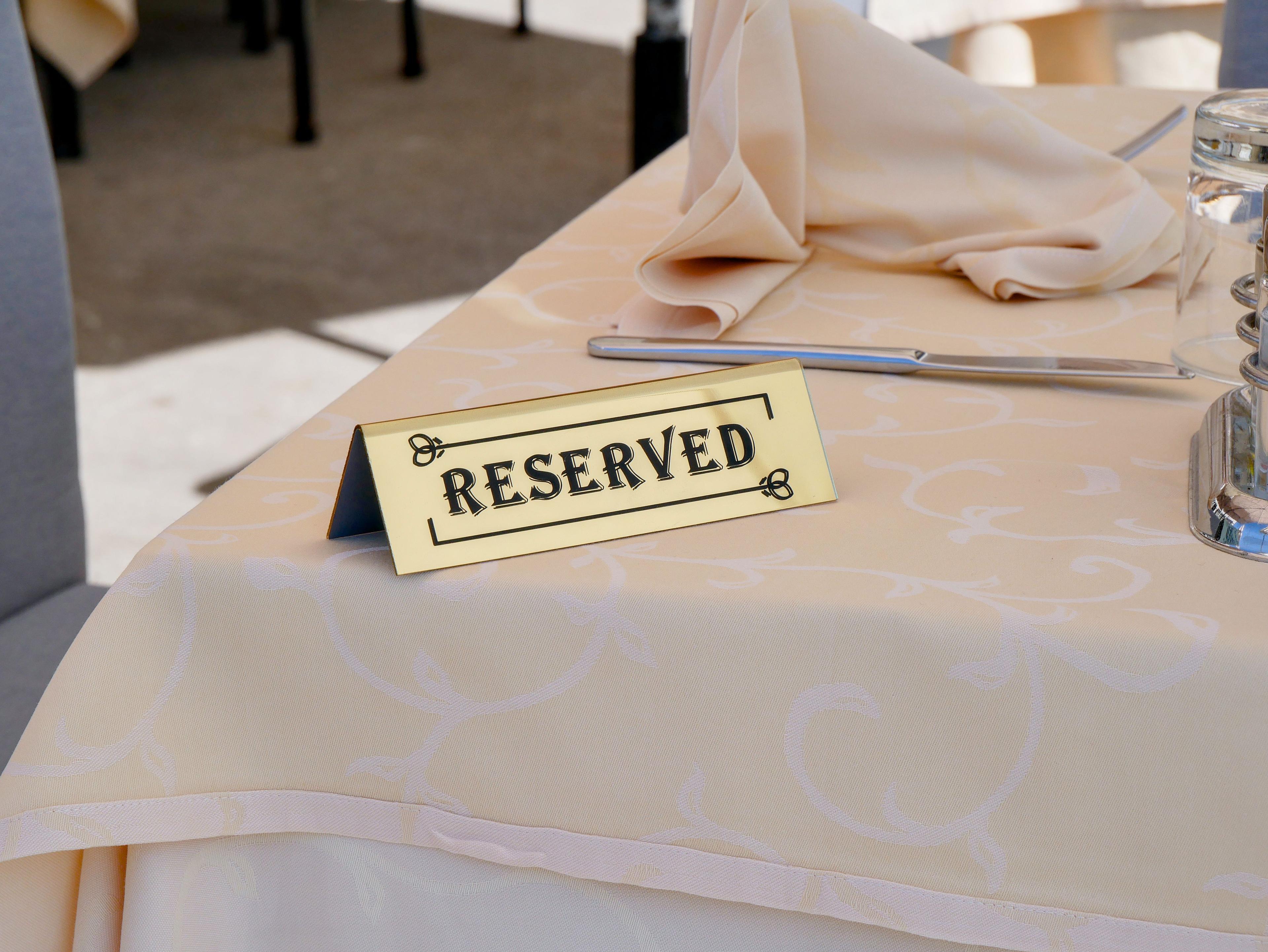
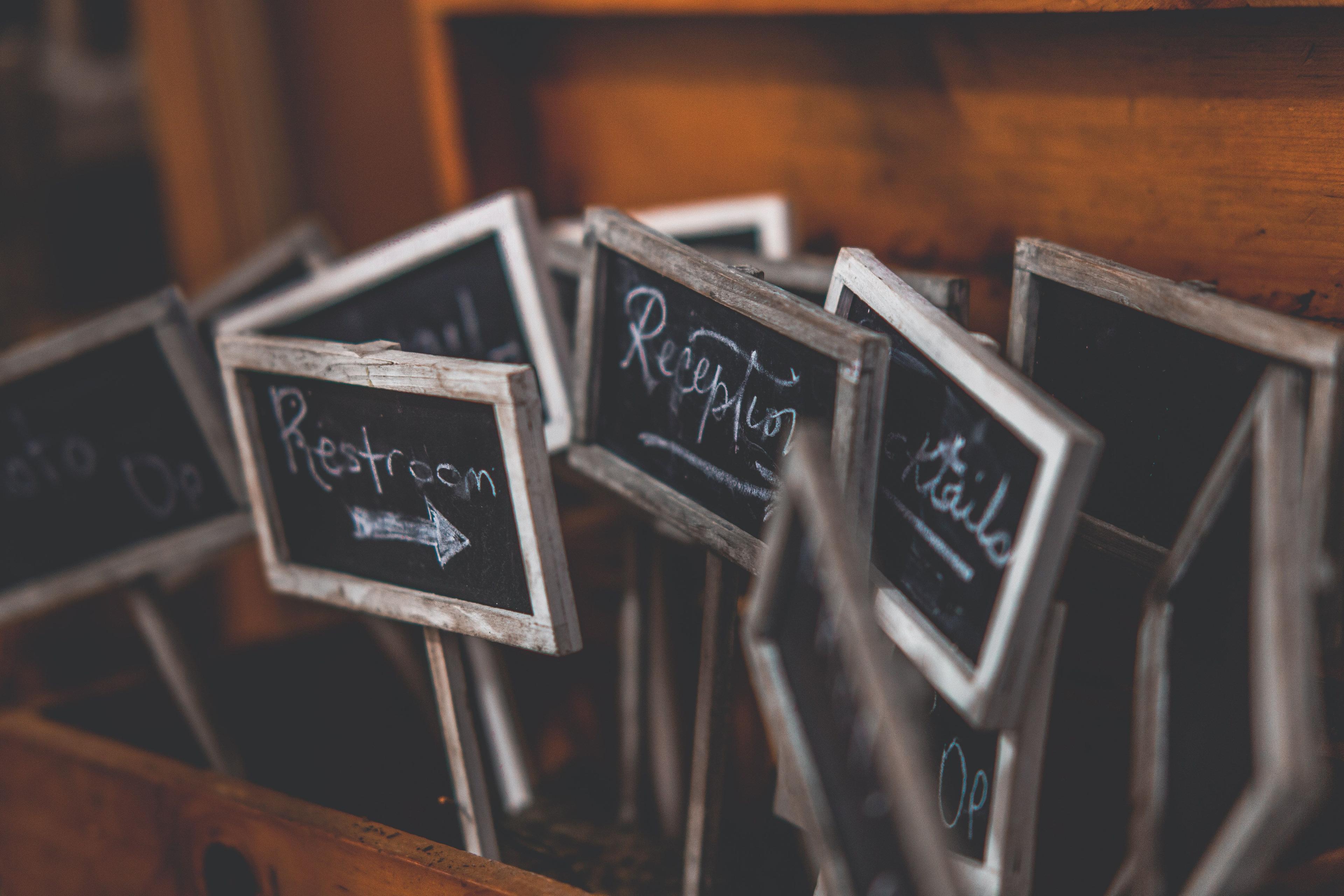
A campaign turns into a table for four
A guest sees the weekend menu on Instagram and books dinner.
- Guest moment
- A guest taps a campaign link, browses the live menu and books a table for four on Saturday at 19:30.
- For the team
- The marketer can see which channel produced seated guests, not just clicks.
Booking sourceAttributed coversCost per seated guest
Without Osoul
- 1.1Passersby notice the venue, but reach is limited to foot traffic.
- 1.2Instagram, TikTok, Facebook or TripAdvisor create interest, and the platform only sees clicks.
- 1.3Google Search and AI assistants send visitors based on public information.
- 1.4The booking arrives without a reliable source, so no one knows which channel produced a seated guest.
With Osoul
- 1.1The guest taps the campaign link and opens the live Osoul menu.
- 1.2In betweenOsoul keeps the supported campaign source with the session.
- 1.3The guest books for four, and the source travels with the reservation.
- 1.4In betweenOnce the party is seated (scene 03), the attended visit goes back to the ad platform as a first-party conversion signal.
- 1.5The marketer compares cost per seated guest by channel.
What the research shows
8%
incremental ROAS for advertisers bidding to conversion value with enhanced first-party conversions
Google, 99 conversion lift studies, 2024–2025
Up to 50%
lower acquisition cost from personalisation built on owned customer data
McKinsey personalisation research
Measure at your venue
Attributed seated covers by source, and paid acquisition cost per new seated guest.
Hands off to the next scene
A reservation with a known source, party size and contact channel.
02 · Book or wait · Saturday, 15:00
The booking holds when plans change
A reminder arrives, one friend is late, and the table moves to 20:30.
- Guest moment
- A reminder prompts the guest to check the booking. One friend is running late, so they ask for a later time.
- For the team
- An early change gives the host time to offer the original table to someone waiting.
Reminder deliveryNo-show rateRefilled tables
Without Osoul
- 2.1The guest waits for a free table or makes a reservation.
- 2.2A confirmation arrives by SMS or email.
- 2.3Plans change, but calling during a busy service is hard, so the guest often does not bother.
- 2.4The no-show rate (no-shows ÷ reservations) is discovered only after the table sat empty.
With Osoul
- 2.1The booking is confirmed on the guest's chosen channel.
- 2.2In betweenA reminder before service asks the guest to confirm, change or cancel.
- 2.3The guest says one friend is late. The host moves the booking from 19:30 to 20:30.
- 2.4In betweenThe released 19:30 table is offered to the next party on the waitlist.
- 2.5The floor view shows the new time, the quiet-table request and the birthday note.
What the research shows
16%
lower recorded no-show rate with delivered SMS reminders
Resos No-Show Index, 46,884 reservations at 257 restaurants
56%
of cancellations happen within 24 hours of booking time or after service starts
Resos No-Show Index
57%
average no-show reduction with deposits on high-risk bookings
OpenTable figures cited by Brief First
Measure at your venue
Reservation conversion, no-show rate under a stated cancellation cutoff, and tables refilled after late cancellations.
Hands off to the next scene
An updated booking with its notes, and a refilled 19:30 table.
03 · Arrive · Saturday, 20:28
The host already knows what was agreed
The party arrives and asks about its quiet-table request.
- Guest moment
- The group arrives and asks whether the quiet table requested earlier is still available.
- For the team
- The guest does not repeat the booking conversation, and the visit counts as attended.
Arrival-to-seating timeRequests fulfilledQuoted vs actual wait
Without Osoul
- 3.1The party gives a name, and the host searches a book or a separate screen.
- 3.2The request made on the phone was never written down, so the guest repeats it.
- 3.3Walk-ins crowd the door and get a guessed wait time.
With Osoul
- 3.1The host finds the booking by name and checks the party in.
- 3.2In betweenThe quiet-table request and the birthday note appear with the booking.
- 3.3The host checks live floor status and seats the party at the corner table.
- 3.4In betweenCheck-in marks the visit as attended, which completes the ad signal from scene 01.
- 3.5Walk-ins join a virtual queue with an honest quoted wait.
What the research shows
35–48%
shorter waits reported with virtual queueing, from quick service to fine dining
DineLine restaurant queue study (newer research, so treat with caution)
Measure at your venue
Arrival-to-seating time, requests fulfilled, and quoted versus actual wait.
Hands off to the next scene
A seated table linked to the booking, its source and the guest notes.
04 · Order and dine · Saturday, 20:40
The menu helps four people choose
Pairings appear beside the dishes, and an ingredient question reaches the right server.
- Guest moment
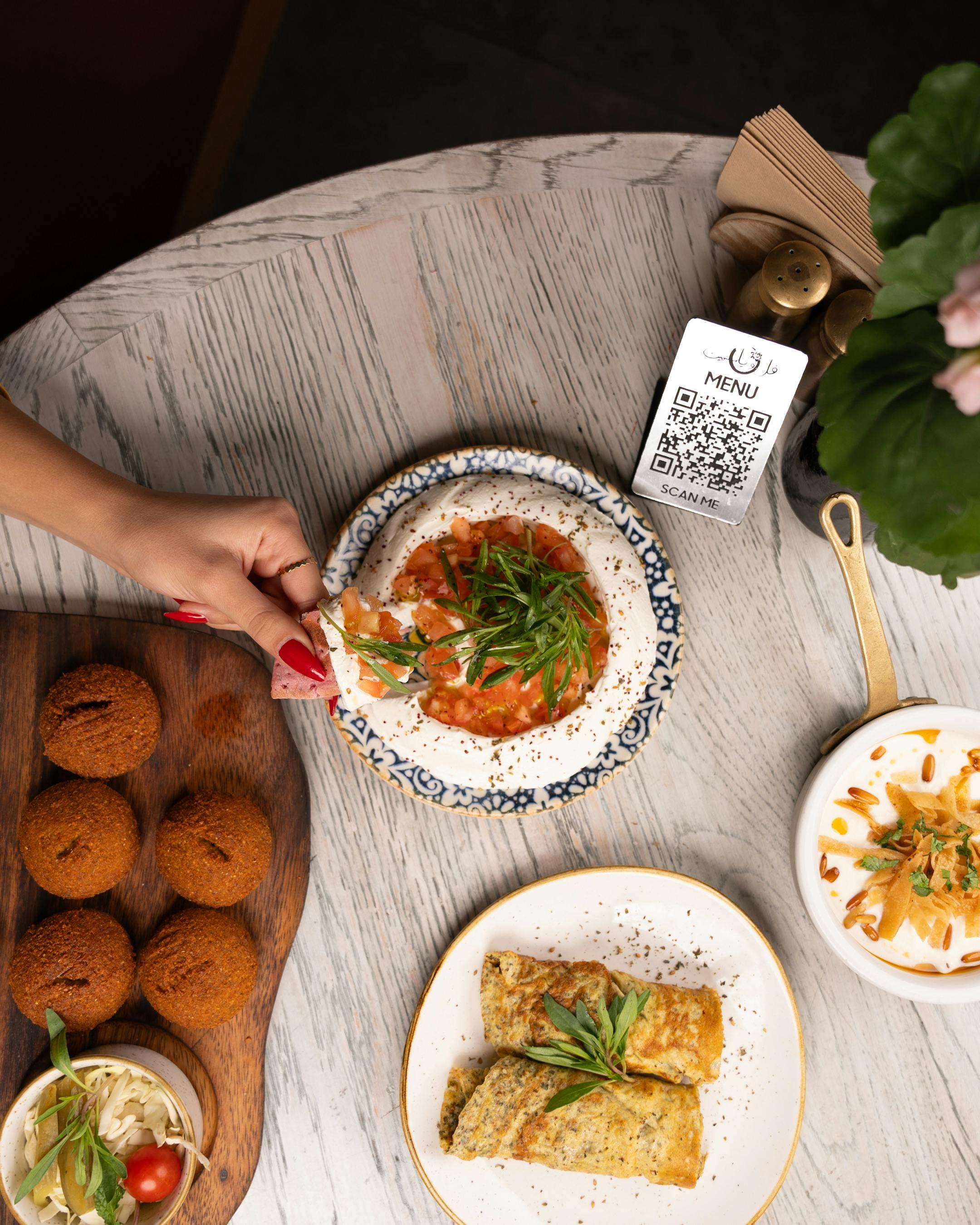
- Each diner browses dish photos and descriptions. One asks whether a sauce contains nuts before ordering.
- For the team
- The server starts with the question and the table already known.
Dish view-to-orderPairing attach rateRevenue per cover
Without Osoul
- 4.1The guests read a printed menu and look for a suitable dish.
- 4.2The waiter takes the order and answers questions from memory.
- 4.3The food arrives, and nobody knows which dishes were considered and skipped.
With Osoul
- 4.1Each guest opens the table's QR menu with photos, ingredients and allergens.
- 4.2In betweenPairing suggestions appear next to the dishes being viewed.
- 4.3The ingredient question reaches the server, already attached to the table.
- 4.4In betweenThe server confirms with the kitchen before the guest decides.
- 4.5The order is placed. Dish views, accepted pairings and the check are recorded for the visit.
What the research shows
17%
higher average order value after personalised recommendations
AWS Personalize customer example (cross-commerce)
20%
more monthly orders with a “Recommended for you” feature
AWS / Shgardi food delivery case
23%
larger check for online orders than in-store orders
Toast online ordering data
Measure at your venue
Revenue per cover, pairing attach rate, and dish view-to-order rate.
Hands off to the next scene
A live table with an order in the kitchen and a server assigned to it.
05 · Ask for help · Saturday, 21:15
One tap reaches the responsible waiter
The water runs out and a main course is late. The right people know.
- Guest moment
- The table needs more water, and one main course is taking longer than the others.
- For the team
- Requests have an owner, and the manager sees delays before they become complaints.
Request response timeEscalationsTime to resolution
Without Osoul
- 5.1The guest tries to catch a waiter's eye.
- 5.2A passing server hears the request but is not responsible for that table, so it gets lost.
- 5.3The delay surfaces later as a complaint or a review, and the manager never knew.
With Osoul
- 5.1The guest taps “Call waiter” or “More water” on the table menu.
- 5.2In betweenThe request goes to the waiter responsible for that table.
- 5.3In betweenIf no one acknowledges it in time, it escalates to the manager's live service view.
- 5.4The manager checks the late main against the ticket time and speaks to the table.
- 5.5The follow-up, a birthday dessert, is recorded for the next service briefing.
What the research shows
No public benchmark is strong enough to quote here, so measure your own baseline first.
Measure at your venue
Request response time (median and 90th percentile), time to resolution, and repeated complaint themes. Record your baseline before launch.
Hands off to the next scene
A resolved concern attached to the visit record.
06 · Pay and tip · Saturday, 22:05
Four people split one bill in seconds
The bill is split at the table, and each guest adds a tip.
- Guest moment
- The party asks for the bill and wants to split it four ways.
- For the team
- Fewer terminal trips, a clear tip moment and one closed visit record.
Bill-to-paid timeTip rateFeedback completion
Without Osoul
- 6.1The guest asks for the bill and waits.
- 6.2The group works out the split by hand, and the waiter makes several trips with the card terminal.
- 6.3The guest pays and leaves, and the tip is an afterthought.
With Osoul
- 6.1The guest requests the bill from the table.
- 6.2In betweenThe bill is split four ways, or by items.
- 6.3Each guest adds a tip before paying.
- 6.4In betweenA short, optional feedback prompt follows the payment.
- 6.5The visit closes with spend, tip, feedback and table time on one record.
What the research shows
No public benchmark is strong enough to quote here, so measure your own baseline first.
Measure at your venue
Tip rate (tips ÷ net sales), bill-request-to-paid time, and feedback completion. Record your baseline before launch.
Hands off to the next scene
A complete visit profile, kept with the guest's consent.
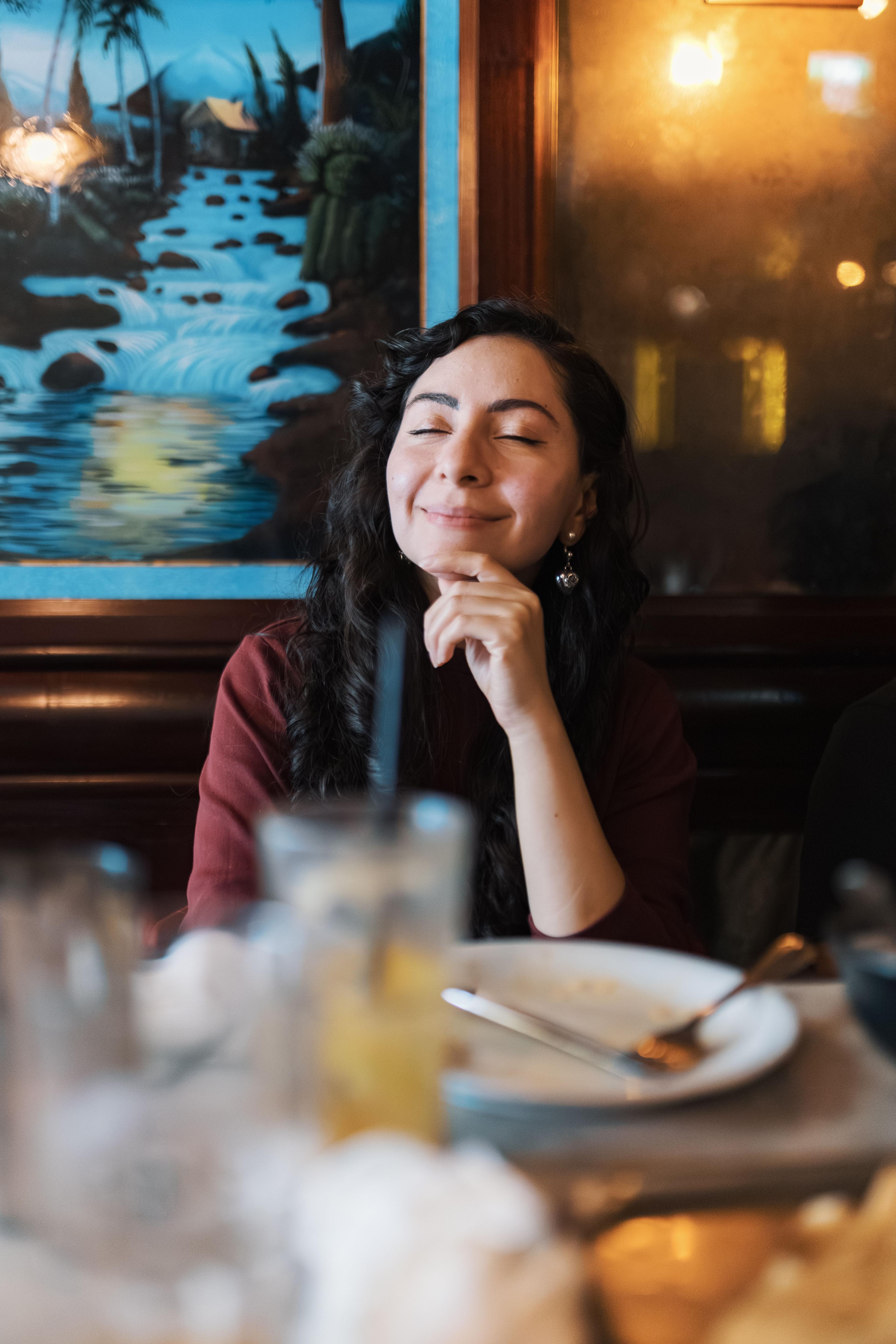
07 · Return · Three weeks later
The next invitation has a reason
The birthday guest is invited back for something they will care about.
- Guest moment
- A guest who opted in receives an invitation related to their last meal and books again.
- For the team
- The campaign is judged by return visits and cost, and guests can opt out.
90-day repeat visitsInvitation-to-booking rateOpt-outs
Without Osoul
- 7.1The guest may return, but the venue does not know who, when or why.
- 7.2Marketing sends the same discount to everyone, or nothing at all.
With Osoul
- 7.1The visit is saved to the profile of a guest who opted in.
- 7.2In betweenAn automated workflow sends a thank-you the next day.
- 7.3Later, an invitation related to the meal arrives, such as the new lamb dish or a pairing evening.
- 7.4In betweenLoyalty rewards access and recognition, such as a preferred slot or the favourite table, rather than blanket discounts.
- 7.5The guest books again, and the loop restarts at 01 with context already known.
What the research shows
5–15%
revenue lift from personalisation, with 10–30% better marketing-spend efficiency
McKinsey personalisation research
47%
of restaurant loyalty members use their membership several times a month
Deloitte restaurant loyalty survey
Measure at your venue
90-day repeat-visit rate, invitation-to-booking rate, and opt-outs.
Hands off to the next scene
The next discovery starts with a known guest.
Figures are published industry findings about each mechanism, with their source. They are not Osoul results, and outcomes vary by venue.
Every loop teaches the next one
What the evening leaves behind
Seven connected scenes produce one visit record. Across many visits, that record answers questions a venue could only guess at before.
Understand your business
- 01Why people return, by source, occasion and first dish
- 02Which dish, event or chef brings guests back
- 03How dishes, waiters and campaigns perform
Tools to improve revenue
- 01Ad Signal infrastructure · scenes 01, 03
- 02Custom channel reminders and waitlist refill · scene 02
- 03Guided ordering journeys and personalised pairing · scene 04
- 04Dynamic pricing and cost and margin calculations · scenes 02, 04, 06
- 05AI analysis of each guest's journey across visits · scenes 01–07
- 06Smart loyalty (access, time, promotions) and automated workflows · scene 07
Walk through an evening at your venue.
Bring a real booking scenario. We’ll follow the changes, questions and handoffs your team handles, and agree on the baseline to measure.
Talk through your guest journey, workflows, and measurable signals.