Hospitality runs on the details people remember. Build software that respects them.

A preference remembered. A question answered. A promise kept at the door. These are the everyday moments that shape our product decisions.

Talk through your guest journey, workflows, and measurable signals.

Service judgement · purposeful data · practical measurement

Our starting point

The receipt is only part of the story.

It records the sale. It does not explain the care that made a guest want to come back.

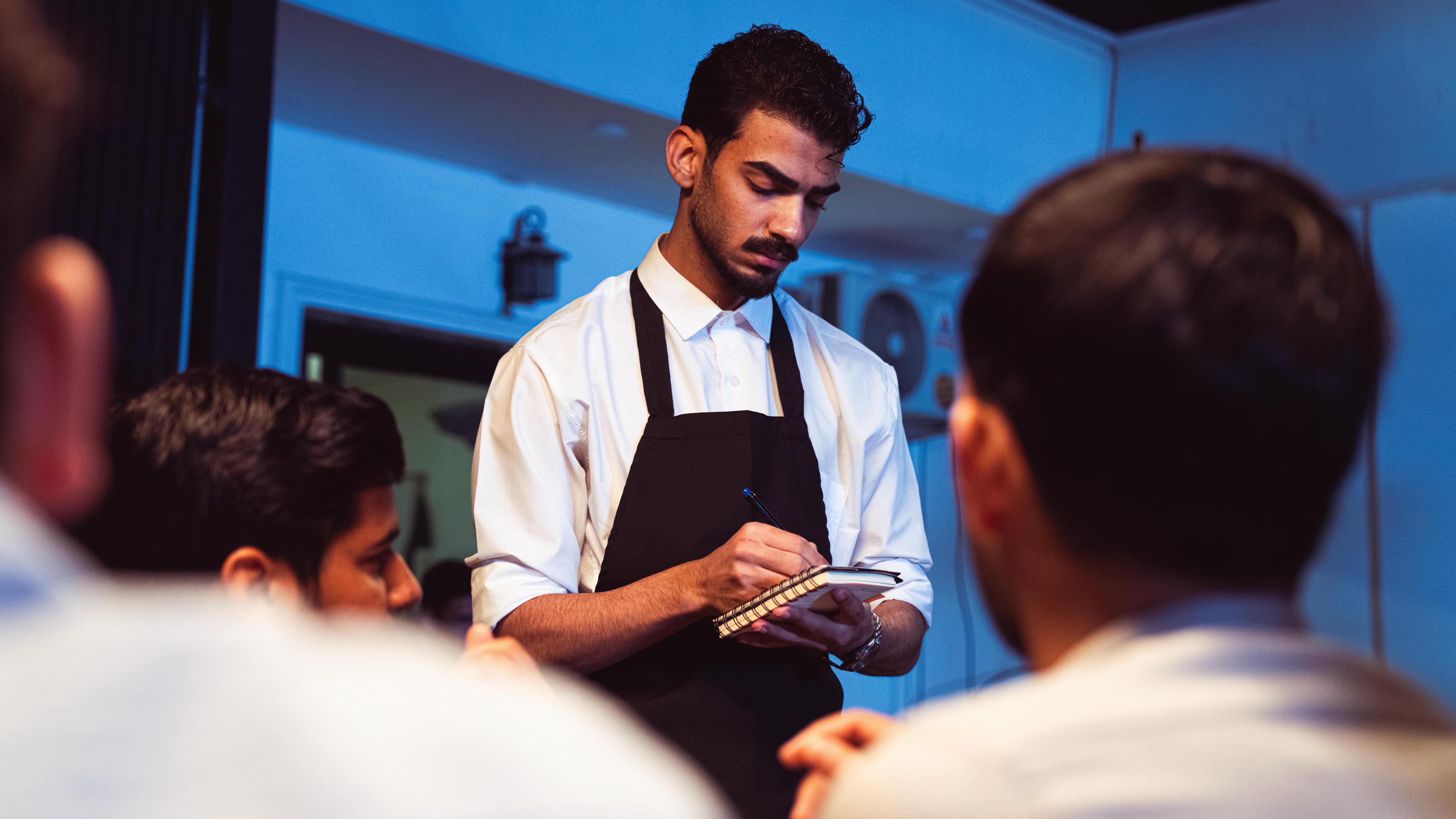
A host remembers why a table was requested. A server notices hesitation over a dish. A manager follows up after something went wrong. Hospitality depends on these details reaching the person who can act.

We build Osoul around that work: keeping useful information with the reservation, request, or visit it belongs to.

Our product direction combines established tools such as reminders, digital menus, and guest records. Each needs a clear purpose in the working day.

We judge a feature by the task it helps someone complete and the result a venue can examine. A longer feature list is not the goal.

Our product test

Would this help during a real service?

Before adding another screen or notification, ask who needs it, what they can do with it, and when it will be useful.

Our principles

Build technology that strengthens the human layer

Choose a principle to see how it changes the work of hospitality teams and the experience of guests.

A guest enjoying a restaurant visit

Collect for the task at hand.

Ask for information with a purpose.

A seating preference can help a host. A communication preference can guide follow-up. Collecting extra personal details without a service purpose adds responsibility without improving the visit.

For the team

Keep relevant notes factual and respect the guest’s choices.

Signals to review

Review which collected details are actually needed.

How we make decisions

Four questions behind the work.

The standards that keep the platform grounded in real hospitality work.

Who needs this?

Name the guest or team member whose task will become easier.

What can they do next?

Information should support a clear action at the right time.

What could be misunderstood?

Write labels, descriptions, and status updates so they are useful during a busy shift.

How will we know it helped?

Choose a measure that reflects the task and keep the calculation consistent.

Tell us what your team keeps working around.

The missed handoff or repeated question is a useful place to start a conversation about better software.

Talk through your guest journey, workflows, and measurable signals.